

The Environment: Creating an Immersive Experience
Casinos are designed to be visually captivating, utilizing a myriad of lights, colors, and sounds that serve to engage the senses. The bright colors attract attention and elicit emotions, while the sounds of jingles and cheers create an atmosphere of excitement. This sensory overload fosters a sense of euphoria, making players feel as though they are part of a thrilling experience, thus encouraging them to play longer, especially at anonymous casinos where the excitement is amplified. Research shows that these elements stimulate a release of dopamine, a neurotransmitter associated with pleasure and reward, further drawing players into the casino environment.
Additionally, casinos often employ strategic layouts to maximize player engagement. Machines and tables are arranged in a way that encourages foot traffic and makes it difficult for players to navigate towards exits. This design creates a labyrinth-like experience, making it easy for players to lose track of time and continue playing. Many casinos also incorporate lounges and bars into their designs, inviting players to take breaks but with the temptation of returning to play just a few more hands or spins.
The psychology of colors plays a crucial role as well. For example, red is often used to evoke excitement and energy, while softer tones are aimed at creating a sense of calm. The choice and placement of colors not only influence mood but also impact how long people stay and play. By maintaining a stimulating yet comfortable atmosphere, casinos are able to keep players engaged and coming back for more.
The Role of Rewards and Incentives
Casinos utilize a variety of reward systems to encourage continued play, capitalizing on the psychological principle of reinforcement. Players often receive bonuses, free spins, or even complimentary drinks, all of which enhance the gambling experience and create a desire to stay longer. The principle of variable rewards, where the outcome is unpredictable, heightens the gambling experience, making players more likely to keep trying their luck in hopes of winning big. This uncertainty is psychologically appealing, feeding the thrill of not knowing when the next win might occur.
Additionally, loyalty programs are strategically implemented to provide both immediate and long-term benefits to players. These programs track player activity and reward frequent visitors with points that can be redeemed for various perks. The anticipation of receiving rewards fosters a sense of loyalty and can lead to increased spending as players aim to reach the next tier of benefits. This psychological strategy reinforces the idea that more play equals more rewards, keeping players engaged and encouraging them to return regularly.
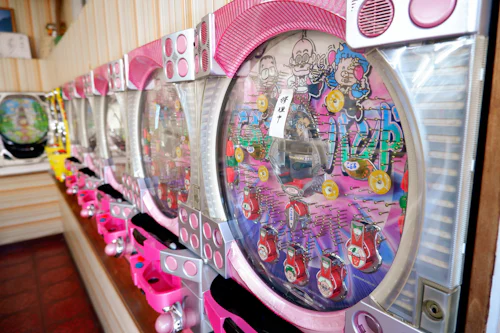
Moreover, the concept of loss aversion plays a significant role in the gambling experience. Players are often more motivated to continue playing after a loss, driven by the desire to recover their losses. Casinos exploit this tendency by offering promotions that encourage further betting, creating a cycle where players feel compelled to continue in hopes of turning their fortune around. This intricate understanding of human psychology is masterfully used by casinos to retain customers and extend their time on the gaming floor.
The Importance of Social Interaction
Human social behavior is an essential aspect of why people are drawn to casinos. The presence of other players enhances the overall gaming experience, creating a sense of community and shared excitement. This social interaction is a powerful psychological factor that encourages players to stay engaged. Even in a competitive environment, players often cheer on their neighbors or share in the thrill of a near win, fostering a sense of camaraderie that is difficult to resist.
Furthermore, social interactions can lead to the phenomenon known as “social proof,” where individuals are influenced by the actions of others. When someone nearby wins, others may feel a rush of excitement and urgency, prompting them to continue playing in hopes of replicating that success. This collective energy can transform the atmosphere of a casino, making it seem like a lively and rewarding space, perpetuating the cycle of engagement.
Casinos often capitalize on this by organizing events or tournaments where players can compete against one another, enhancing social bonds and increasing excitement. By creating opportunities for interaction and shared experiences, casinos are effectively leveraging the social nature of humans to keep players on the floors longer. The psychological impact of being part of a community, even in a competitive setting, makes the gaming experience not only about winning money but also about forming connections with others.
The Illusion of Control and Skill
One fundamental psychological tactic employed by casinos is the illusion of control, which convinces players that their decisions can influence the outcome of games. In games of chance, such as slot machines or roulette, outcomes are entirely random; however, players often believe that strategies or certain behaviors can improve their odds. For instance, a player might think that by choosing a specific machine or placing bets in a particular manner, they can influence their success. This psychological phenomenon encourages continued play, as players feel empowered by their perceived control.
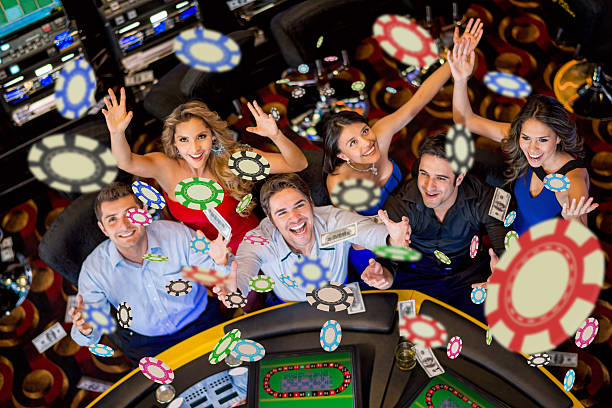
Additionally, skill-based games, such as poker, attract players who believe their abilities can tilt the odds in their favor. The competitive nature of these games creates a sense of agency, encouraging individuals to invest more time and effort. By promoting games that combine luck and skill, casinos appeal to a broader audience, drawing in players who enjoy strategizing and competing against others. This psychological engagement keeps them playing, as they believe they can improve their skills over time and, consequently, their potential for winning.
The marketing of skill-based games also reinforces the notion that winning is achievable through practice and mastery. This idea of self-efficacy can be particularly appealing to players, as it cultivates a belief that with enough dedication, they can beat the odds. This psychological aspect not only increases engagement but also enhances players’ emotional investment in their gambling experiences, further contributing to their likelihood of continued play.
Understanding Casino Marketing Techniques
Casinos employ various marketing techniques that are strategically designed to attract and retain players. One such method is the utilization of persuasive messaging that highlights the thrill and excitement of gambling. Advertisements often feature images of large jackpots, happy winners, and vibrant nightlife, appealing to potential customers’ desires for fun and adventure. Such messaging creates a compelling narrative that aligns with the psychological motivations behind gambling, enticing individuals to visit casinos in pursuit of a similar experience.
Digital marketing has also become a potent tool for casinos looking to engage potential players. By utilizing data analytics, casinos can personalize promotions and offers based on individual gambling behavior. Tailored communications that speak directly to a player’s preferences create a sense of importance and connection, making them more likely to respond positively and return to the casino. This personalized approach capitalizes on the psychological need for recognition and acknowledgment, further solidifying player loyalty.
Furthermore, innovative online marketing strategies, such as social media campaigns, create buzz and excitement around casinos, drawing in both newcomers and seasoned players. By fostering online communities, casinos can engage with players on a more personal level, promoting events, deals, and games that align with their interests. The interactivity of social media encourages user participation, and the psychological benefit of feeling part of a community can lead to increased playtime and loyalty, demonstrating the intricate relationships between marketing and player psychology.


